How to Plan a Trip to Europe: Rules, Routes, and Timing
By Mariya & Sam · November 5, 2026 · 6 min read
Europe looks easy to plan from far away, since the distances are short and the trains are good. Entry rules, reservations, and the sheer number of places you could see all need sorting before you go, though.
We’ve spent time in Italy, Malta, and Croatia, and we learned a few rules the hard way. One night in Turin, we tried to wander into dinner and found every restaurant fully booked. Below is how to plan a trip to Europe in the order that saves you the most trouble.
Check Your Passport First
Everything else depends on your passport, so look at it before you price a single flight. The European Commission says Schengen visa applicants need a passport valid at least three months after they leave the Schengen area.
If you need a new passport, give yourself time. The State Department lists routine processing at 4 to 6 weeks, plus up to two weeks of mailing in each direction, and expedited service costs an extra $60.
Understand the 90/180 Rule
Short-term visitors to the Schengen area can stay up to 90 days in any 180-day period. Those days are counted across the whole area, so two weeks in Italy and two weeks in Croatia add up to 28 days toward one limit.
Citizens of some countries need a Schengen visa for that stay, while others are visa-exempt. The European Commission’s visa page links to the full list, and its short-stay calculator helps you count days if you travel in and out often.
Watch for ETIAS
ETIAS is a new travel authorization planned for visa-exempt travelers entering 30 European countries. As of this writing, the official ETIAS website says it isn’t in operation yet and that the EU will announce the start date several months before launch.
Use that site, and only that site, before you book. Plenty of unofficial sites look official and charge fees for applications that don’t exist yet.
Sort Out Travel Insurance and Health
Schengen visa applicants must carry medical insurance that covers emergency care, hospitalization, and repatriation, according to the European Commission. Visa-exempt travelers aren’t held to the same rule, but the same coverage is worth having when you’re far from home.
Check each of the European countries on your route on the CDC’s destination pages for vaccine and health notices. Keep digital copies of your insurance policy and prescriptions somewhere you can open offline.
Pick Fewer Places Than You Want To
A first trip to Europe tempts you into six countries in two weeks. Two or three bases, with day trips out from each, will show you more than a different train station every morning.
Build your trip plans around what you love most. We dove Malta’s wrecks and loved every one of them. Italy, on the other hand, was amazing for almost everything except diving, so a reef trip and a food-and-art trip can lead to very different countries.
Big Cities or Smaller Towns
Major cities like Paris, Rome, and Barcelona deserve their reputations, and they’re also where crowds and prices peak. Smaller European destinations a train ride away often give you the same food, history, and views at a gentler pace.
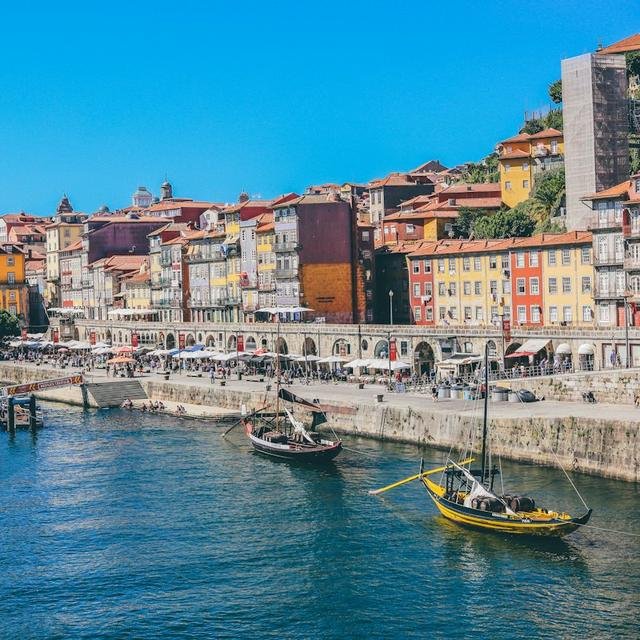
One or two big cities plus one base off the beaten path makes a good mix for a first trip. Adding Porto to Lisbon, or a Dolomites village to Venice, turns a checklist trip into one you’ll talk about.
Your bucket list belongs in the plan too. Put the one or two sights you’d regret missing on the calendar first, then fill the rest of the days around them.
Choose the Best Time to Visit
Summer brings the longest days and the biggest crowds, with prices to match in popular cities and on the islands. Spring and early fall usually bring milder weather, shorter lines, and better rates.
Think about what you want to do before you pick a month. Beach holidays need warm water and ski weeks need snow, while city breaks work in almost any season if you pack for rain.
Plan Your Route by Train, Plane, or Car
Train travel works well for city-to-city routes, especially where stations sit right in the center. For longer hops, budget flights can save a day of travel time.
Read the baggage rules before you book a budget flight. Add-on fees for bags and seats can erase the savings, so compare the total price with the train.
Rent a car for countryside regions and islands where buses run rarely. Our guide on how to plan a road trip covers the paperwork for renting a car abroad, including whether you need an International Driving Permit.
A Sample Two-Week Europe Itinerary
Here’s an illustrative two-week itinerary for a first trip to Portugal and Spain, built around three bases with day trips from each.
| Nights | Base | Day Trip Idea |
|---|---|---|
| 4 | Lisbon, Portugal | Sintra by train |
| 3 | Porto, Portugal | The Douro Valley |
| 6 | Barcelona, Spain | Montserrat |
Lisbon to Porto works well by train, and a short flight connects Porto to Barcelona. Thirteen nights in three bases leaves room for jet lag at the start and a slow last day before the flight home.
Adjust the nights to suit your pace, and swap a base if a different region tops your list. The same three-base shape works for Italy, France, or Greece.
Getting around Cities
Stay near the city center or a main transit line, even if the room costs a little more. Walking to dinner and taking the metro home saves both time and taxi fares across a whole trip.
Airport transfers are worth researching before you land, since trains and buses into town often cost a fraction of a taxi. Download the city’s transit app or buy a multi-day pass if you’ll ride often.
Book Restaurants and Big Sights Ahead
Popular museums, monuments, and restaurants in Europe often require reservations, especially in summer. Turin taught us that “we’ll find something” isn’t a dinner plan in Italy, so book dinners ahead in popular cities.
For major sights, buy timed-entry tickets on the official site as soon as your dates are set. Walk-up lines can eat half a day, and some slots sell out weeks ahead in peak season.
Your Phone and Data in Europe
Look up your phone plan’s international rates before you go. In Italy, we bought a Vodafone SIM card for about €60 with 50 GB of data, which is a lot of maps and messages for the money.
Keep the little card your SIM comes in. Our phone asked for the PIN printed on it every time it restarted, and we learned that twice.
Packing for Travelling in Europe
Comfortable walking shoes matter more than anything else in your bag, since old town streets are often cobblestone and hilly. Pack layers for evenings, which turn cool even in summer near the mountains and the sea.
Bring a plug adapter for the countries on your route, and a small daypack for day trips. Laundry is easy to find in most cities, so a week of clothes covers a two-week trip.
Budget for a Europe Trip
Rooms and restaurants in big Western European cities cost far more than in smaller towns. Mixing one expensive city with two cheaper bases keeps a trip affordable without skipping the famous places.
Eat your big meal at lunch, when many restaurants offer set menus, and picnic from markets on sightseeing days. Small group tours can be good value for places that are hard to reach alone, like wineries or mountain villages. Rail passes can help on long multi-country routes, while single tickets bought early often cost less for a simpler trip.
Build Your Europe Itinerary
Once your bases and dates are set, lay out each day with one anchor and room around it. Our guide on how to make a travel itinerary has a template, and the Trip Heist marketplace has tested plans for places like Lisbon, Porto, Barcelona, the Dolomites, and Paris. European itineraries from travelers who took the trip save you hours of research.
Frequently Asked Questions
How far in advance should I plan a trip to Europe?
Give yourself three to six months if you need a passport or visa. Schengen visa applications must be lodged at least 15 days before you travel and no earlier than six months ahead.
How long can I stay in Europe as a tourist?
Visitors on a short stay can remain in the Schengen area for up to 90 days in any 180-day period. Days spent in every Schengen country count toward the same total.
Do I need ETIAS to visit Europe?
Not at the moment, because ETIAS hasn’t started yet. The official ETIAS website says the EU will announce the start date several months before it launches.
What is the best way to travel between countries in Europe?
Trains work best between nearby cities with central stations, while budget flights save time on longer distances. Compare the full price, including bags and airport transfers, before planning your trip around either one.
How many countries should I visit on a first trip to Europe?
Two or three bases over two weeks is plenty for a first trip. Use day trips to see more, and save the rest of your list for next time.