How to Plan a Road Trip without Getting Lost
By Mariya & Sam · November 2, 2026 · 5 min read
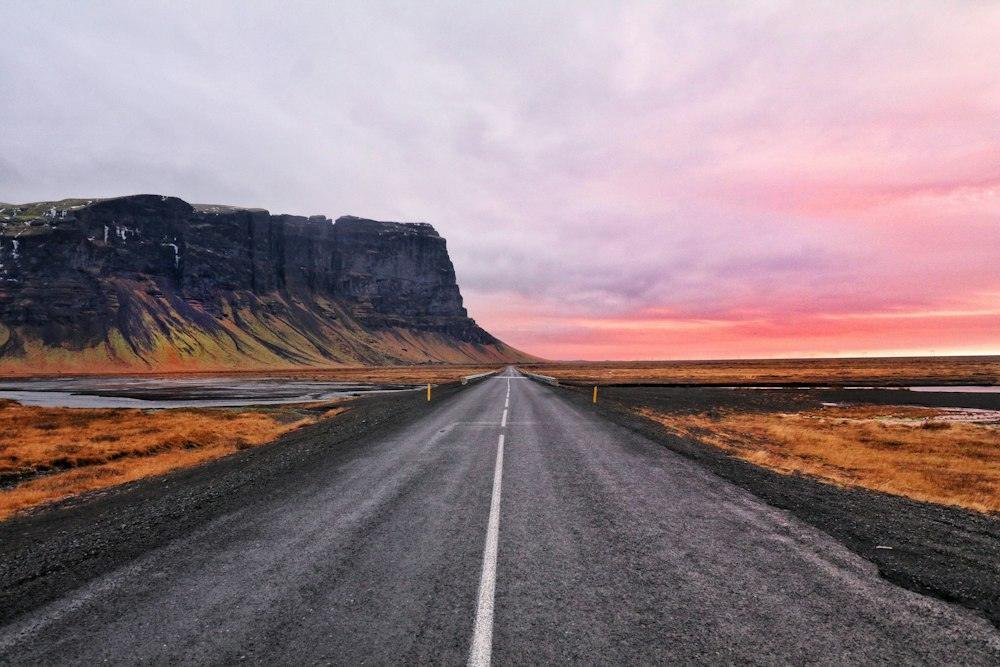
We’ve taken a motorbike road trip through Thailand, and road trips reward planning more than almost any other kind of travel. Every decision you make, good or bad, rides along with you for the rest of the route.
Here’s how to plan a road trip in the order that saves the most stress. We cover the first route sketch, the car checks, the bookings to make early, and the parts worth leaving open.
Decide How Many Hours You Want to Drive Each Day
Your daily driving limit shapes the whole route, so set it before you look at a map. Four to five hours behind the wheel leaves time for a long lunch and a slow evening, and long stretches past that turn a road trip into a commute.
Count your days, subtract one for every big city where you plan to stay put, and divide the drive across what’s left. If the math only works with eight-hour days, cut a stop or add a day.
Cross-country road trips in the United States follow the same rule, stretched over more days. Planning a road trip that long works best when you treat it as a string of shorter multi-day legs, each with its own rest day.
Sketch the Route and Pick Your Overnight Stops
Start with the big route on a map, then mark where you’ll sleep each night. Google Maps lets you save places to a list, and dropping every possible stop into one list makes the clusters show up on their own.
For longer trips, Google’s My Maps lets you build a custom map with your own layers, which is handy for giving each driving day its own color. Share it with whoever is riding with you so everyone sees the same plan.
Choose overnight stops in towns with food and fuel, since a beautiful cabin an hour off the highway can wreck the next morning’s timing.
Spreadsheets and road trip planner apps both work for the route, as long as you record the drive time between stops. Google Maps shows estimated travel times, and adding about 20% covers photo stops and slow trucks.
Prep the Car before You Leave
NHTSA’s summer driving and road trip tips cover the basics. Fill each tire to the pressure listed on the placard in the driver’s door frame, and look at the spare as well.
The same page says to measure tire pressure when the tires are cold, at least three hours after driving. A reading taken right after a long highway stretch will look higher than it is.
Look at the air conditioning, wipers, and lights before a long drive, and pack a phone charger that works in the car. A paper list of emergency numbers is worth the space in the glove box for stretches with no signal.
Download Offline Maps for Every Stretch
Mountain passes and desert roads often lose signal, and that’s where you need directions most. Google Maps lets you save areas to your phone and navigate without a connection, though its help page notes this isn’t available in some countries.
Save the whole route the night before you leave, while you’re on hotel Wi-Fi, and confirm each area finished. A screenshot of the turn you’re worried about takes two seconds and can save an hour.
Book the First and Last Nights, Then Stay Flexible
Lock in your first night and your last night, since those are tied to flights or rental pickups and drop-offs. The middle of the trip can stay looser, especially outside peak season. Lodging inside or near a national park tends to book up first, so reserve those nights as soon as your dates are set.
Book every night ahead if you’re traveling in peak season. Small towns on popular routes can run out of rooms, and searching for a bed at 9 p.m. is a gamble you’ll only want to take once.
Driving Abroad Needs Extra Paperwork
Renting a car in another country can come with extra paperwork. According to the State Department’s driving safety guidance, some countries accept a U.S. driver’s license while many others require an International Driving Permit.
You can request an IDP from AAA or the American Automobile Touring Alliance before your trip. Carry your U.S. license along with it, since the permit doesn’t replace it.
Read the rental agreement for border rules as well. Some rental companies don’t allow their cars across certain borders, and the crossing is an expensive place to find out.
Plan Fuel Stops and Breaks
On long rural stretches, plan fuel or charging stops before you need them and top up at half a tank. Gas stations thin out in remote areas and gas prices can jump there, so fill up in bigger towns when you can.
Keep water and snacks in the car, since the next town on the map can be farther than it looks. Stock up at grocery stores in larger towns, and carry a credit card plus some cash for rural pumps and farm stands.
Build a break into every couple of hours of driving. A short walk or a viewpoint stop keeps the driver fresh, and swapping drivers on longer days helps even more.
What to Pack for a Road Trip
Pack the car for comfort and for small problems. A basic kit covers a lot: a phone mount, a charging cable, a first-aid kit, a flashlight, water, and a printed copy of your bookings.
Bring layers even in summer, because mountain roads and desert nights both turn cold fast. A cooler bag for lunches cuts food costs and frees you from the roadside restaurant lottery.
Build a Road Trip Itinerary with Room for Detours
A good road trip itinerary lists each day’s start, end, driving time, and one stop worth pulling over for. Leave the rest of the day open, because the best detours off the beaten path tend to show up on road signs you didn’t know existed.
Our guide on how to make a travel itinerary has a template you can adapt with a column for driving time.
Budget for fuel, tolls, parking, and rental insurance on top of rooms and food. Tolls and city parking catch a lot of first-time road trippers off guard, so look them up for each country on your route.
Skip the Planning with a Tested Route
Road trips are where a tested route saves the most time. Itineraries in the Trip Heist marketplace include routes like the Iceland Ring Road, Namibia, and Oman. Each one is written by a traveler who drove it and checked by our team, so you can hit the road sooner.
Frequently Asked Questions
How do I plan a road trip route?
Set a daily driving limit, mark your must-see stops on a map, and pick overnight towns with food and fuel. Divide the drive so no day runs past your limit, and add a buffer day if the math is tight.
How many hours a day should I drive on a road trip?
Four to five hours of driving leaves time for stops, meals, and an evening that isn’t spent recovering. Longer days work now and then, but a string of them wears everyone out.
Do I need an International Driving Permit for a road trip abroad?
It depends on the country you’re driving in. The State Department says some countries accept a U.S. license and many others require an International Driving Permit, which AAA and the American Automobile Touring Alliance provide.
What are the best road trip tips for beginners?
Limit driving days to four or five hours, book your first and last nights, download offline maps, and fill up the tank at half. Leave one loose afternoon every few days for detours.
What should I check on my car before a road trip?
Check each tire against the pressure on the placard in the driver’s door frame, including the spare, and test the air conditioning, wipers, and lights. NHTSA suggests measuring tire pressure when the tires are cold.